
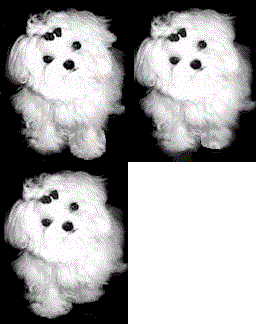
Teacup and toy puppies are among the smallest canine companions, prized for their compact size, adorable appearances, and portability. Breeds such as the Chihuahua, Pomeranian, Yorkshire Terrier, and Maltese are popular choices for people living in apartments or those seeking a lapdog. Despite their charming size, these tiny dogs often face unique challenges that set them apart from larger breeds, especially when it comes to their behavior and health.
Behavioral issues are relatively common among teacup and toy puppies, often stemming from a combination of their delicate physical nature, genetic factors, and environmental influences. Because of their small stature, these dogs can be more prone to anxiety, fearfulness, and defensive behaviors such as excessive barking or biting. Additionally, their fragile health sometimes exacerbates behavioral problems, as discomfort or illness can manifest in irritability or withdrawal.
Understanding the complex link between a toy breed’s health, behavior, and the breeding practices that produce these dogs is essential for responsible ownership. Poor breeding decisions and lack of attention to health concerns can contribute not only to physical ailments but also to problematic behaviors. Breeders like Puppy Petite prioritize temperament, health, and breed standards, which helps improve the quality of life for these tiny companions and fosters more positive relationships between pets and their owners.

Teacup and toy puppies are generally defined by their exceptionally small size, often weighing under 7 pounds when fully grown. These tiny dogs are bred specifically to be compact, making them highly desirable for owners who prefer small, portable pets. Some of the most well-known teacup and toy breeds include:
These breeds have become popular worldwide due to their charming appearances and manageable size. Their small stature makes them ideal for apartment living, frequent travelers, and those looking for a companion that fits easily into their daily lives.
Several factors contribute to the popularity of teacup and toy puppies:
However, these breeds possess unique behavioral traits influenced by their size and genetics. Due to their small frame, they tend to be more alert and sometimes more reactive to environmental stimuli. Many toy breeds have a bold, confident personality that can border on feisty, often showing a strong desire to protect themselves despite their size. Additionally, some breeds are prone to nervousness or shyness, which can impact socialization and lead to anxiety-related behaviors if not properly addressed.
Understanding these breed-specific traits helps owners anticipate and manage common behavioral challenges, ensuring a better quality of life for both the dog and the owner.
Selective breeding is the primary method used to produce teacup and toy puppies, focusing on creating dogs that remain exceptionally small even when fully grown. Breeders often select the tiniest individuals from each litter to reproduce, aiming to perpetuate the miniature size. While this approach achieves the desired physical traits, it can also have unintended consequences for the dogs’ overall health and temperament.
Several ethical concerns arise from these breeding practices:
Inbreeding, often used to maintain specific size and appearance standards, compounds these problems. It involves breeding closely related dogs to preserve certain traits, but this practice can lead to a higher incidence of genetic disorders and undesirable behaviors. Behavioral consequences of inbreeding may include:
Responsible breeders prioritize not only size but also the health and well-being of their dogs. Puppy Petite works with breeders who avoid excessive inbreeding, carefully screen for hereditary diseases, and select for stable temperaments. For potential owners, understanding the impact of these breeding practices is crucial when choosing a teacup or toy dog to ensure they adopt a healthy, well-adjusted companion.
Small dog breeds, including teacup and toy puppies, are prone to a number of general health vulnerabilities due to their diminutive size and delicate physiology. Their tiny bodies often mean organs and bones are more fragile, making them susceptible to injuries and chronic health conditions that larger dogs might not commonly face. Some common health concerns for small breeds include:

These health vulnerabilities are important because they can directly influence a dog’s behavior. Physical discomfort or pain often manifests as changes in temperament or mood, making a dog more irritable, withdrawn, or aggressive. For example:
Recognizing the connection between physical health and behavior is essential for owners and veterinarians alike. Proper health care, early diagnosis, and treatment of underlying medical conditions can significantly improve a toy breed’s behavior and overall quality of life.
Teacup and toy puppies are susceptible to a range of health conditions that stem from their small size and genetic predispositions. These conditions often require careful management to prevent complications and maintain the dog’s quality of life. Some of the most common health issues in these tiny breeds include:
Chronic discomfort or illness from these conditions can significantly affect a dog’s behavior. When a teacup or toy breed is experiencing ongoing pain or physical distress, it may develop anxiety or aggression as a coping mechanism. For example:
Addressing these health issues promptly with veterinary care and proper management can help reduce behavioral problems and improve the overall well-being of these delicate dogs.

Heart disease is a common and serious health concern among teacup and toy dog breeds, with mitral valve disease being one of the most prevalent conditions. This disease involves the degeneration of the mitral valve in the heart, which can lead to inefficient blood flow and eventually heart failure if left untreated. Due to their small size and delicate cardiovascular systems, toy breeds are particularly vulnerable to this condition as they age.
Common signs of heart disease in these small dogs include:
Heart disease can also have a significant impact on a dog’s behavior. As the condition progresses and the dog’s energy levels decline, you may notice changes such as:
Early diagnosis and management are crucial for improving the quality of life in toy breeds affected by heart disease. Regular veterinary check-ups, medication, and lifestyle adjustments can help control symptoms and reduce behavioral changes caused by this condition.
A liver shunt, also known as a portosystemic shunt, is a congenital condition where the blood vessels bypass the liver instead of flowing through it for detoxification. This means toxins and waste products that are normally filtered out by the liver circulate freely in the bloodstream, which can cause serious health issues. Liver shunts are particularly common in small and toy dog breeds due to genetic predispositions.
Symptoms of liver shunts often include both physical and neurological signs, many of which can affect a dog’s behavior. Common symptoms to watch for are:

Because liver shunts can significantly impair a dog’s quality of life and lead to severe complications, early diagnosis is essential. Veterinarians typically use blood tests, imaging studies, and sometimes exploratory surgery to confirm the condition. Early treatment, which may include medication, dietary changes, and in some cases surgery, can help manage symptoms and improve outcomes.
Prompt intervention not only reduces the physical symptoms but also helps mitigate behavioral changes caused by the neurological impact of toxin buildup. For toy and teacup breeds, recognizing the signs early can make a critical difference in long-term health and well-being.
Teacup and toy dog breeds face a wide range of health problems due to their small size, genetic factors, and sometimes questionable breeding practices. These issues can include metabolic disorders, skeletal fragility, dental problems, heart conditions, liver shunts, respiratory difficulties, and more. Each of these conditions can cause discomfort, pain, or systemic health challenges that impact the overall well-being of the dog.
Some of the most common health problems seen in these breeds include:
Managing these health problems effectively is key not only to extending the dog’s lifespan but also to improving their behavior and quality of life. When underlying health issues are identified and treated, many behavioral problems such as anxiety, aggression, and withdrawal can lessen or even resolve. The benefits of proper health management include:
Regular veterinary care, timely medical intervention, and attentive home management are essential for preventing minor health issues from escalating into serious problems that negatively affect behavior. For owners of teacup and toy breeds, understanding and addressing these health concerns is crucial to ensuring a happy, balanced companion.
Teacup and toy breeds are known for their charming personalities, but they are also prone to certain behavioral challenges. Some of the most common issues include excessive barking, biting, house soiling, and anxiety. These behaviors can be frustrating for owners and are often linked to the dogs’ physical and emotional needs as well as their environment.
Common behavioral problems in teacup and toy breeds include:
Their small size can greatly influence their confidence and behavior. Despite their tiny stature, many teacup and toy dogs display a bold or feisty attitude as a way to compensate for feeling vulnerable. This defensive behavior can sometimes escalate into aggression if they feel cornered or frightened. At the same time, some toy breeds are naturally shy, which can lead to increased anxiety and avoidance behaviors.
Proper training and socialization are essential to managing these behavioral issues effectively. Early exposure to a variety of people, places, and experiences helps build confidence and reduce fearfulness. Key points for successful behavioral management include:
By combining proper health care with thoughtful training and socialization, owners can help their teacup and toy breeds overcome common behavioral challenges and enjoy a happier, more balanced life.

Separation anxiety is a common behavioral issue in teacup and toy breeds, largely due to their strong attachment to their owners and their small, vulnerable nature. These dogs often form intense bonds with their human caregivers, which can make being left alone particularly stressful. Their natural tendency to seek comfort and security amplifies feelings of loneliness or fear when separated.
Common symptoms and destructive behaviors associated with separation anxiety include:
Managing and reducing separation anxiety requires patience and consistent training. Some effective strategies include:
In some cases, consulting a veterinarian or animal behaviorist may be necessary for severe separation anxiety. Early intervention is key to helping teacup and toy breeds develop the confidence and coping skills needed to feel secure even when their owners are away.
Addressing behavioral issues in teacup and toy breeds requires a balanced approach that considers their health, breeding background, and proper training. Puppy Petite works with ethical breeders who prioritize these factors, helping owners find puppies with good temperaments. Responsible ownership involves choosing such breeders, providing regular veterinary care, and investing in consistent socialization and training to prevent or manage common problems. When behavioral or health concerns persist, seeking help from a veterinarian or behaviorist is essential to ensure the dog’s well-being and maintain a positive, healthy relationship.
Copyright © 2025 Puppy website. All rights reserved.


Copyright © 2025. Puppy Petite Website. All Rights Reserved.
8002 17th Avenue,
Brooklyn NY 11214
Copyright © 2025 Puppy website. All rights reserved.