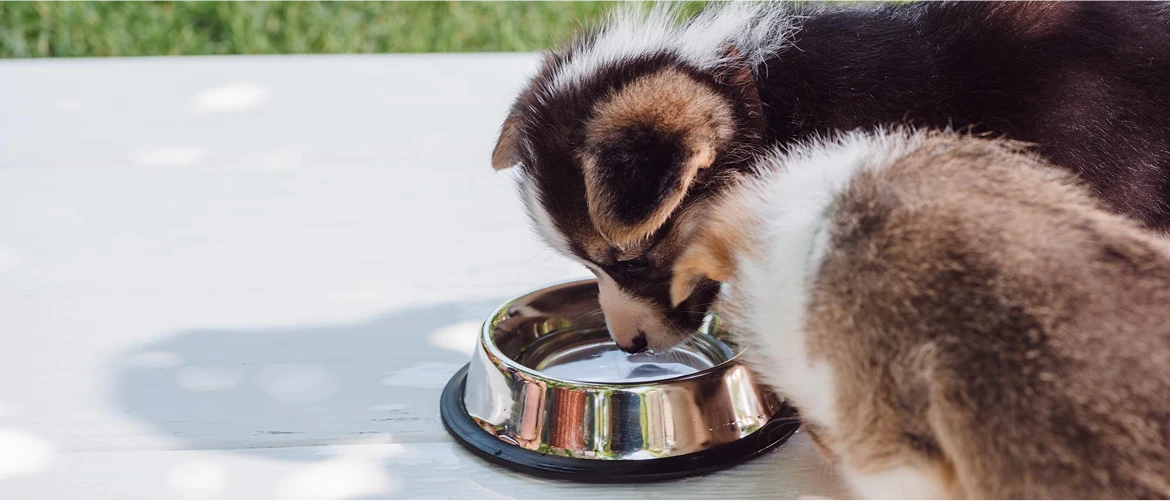
Hydration is of paramount importance in a puppy’s health and development. Adequate water intake is crucial for puppies as it plays a central role in their growth, digestion, and regulation of body temperature. As puppies are more prone to dehydration than adult dogs, it’s essential for owners to ensure their furry companions have constant access to fresh water. Proper hydration helps facilitate the digestion of food and absorption of nutrients, which are vital for their rapid growth during the puppy stage.
In addition, water acts as a thermoregulator, keeping a dog’s body temperature within a safe range, particularly important when they are unable to regulate their temperature as efficiently as mature dogs. Neglecting a puppy’s need for water can quickly lead to dehydration, impeding their physical development and possibly leading to more severe health issues. Therefore, understanding the signs of dehydration and maintaining a consistent water supply are critical components of responsible puppy care.
The water needs of puppies can vary based on several elements, each playing a significant role in determining the appropriate water intake for young dogs to make sure they maintain good health and vitality.
Young puppies require more water proportionate to their body weight than older dogs because they are growing rapidly and are more active, leading to more water turnover and need for hydration.
Puppies on dry food diets may require more water intake than those on wet food diets due to the lower moisture content in dry kibble.
Active puppies will require more water to stay hydrated due to the increased loss of fluids through panting and salivation associated with exercise.
Hot or humid weather can lead to increased panting and a higher rate of evaporation, consequently necessitating more frequent water intake.
Puppies that are ill or have medical conditions, such as diarrhea, may need additional water to prevent dehydration.
Larger puppies and specific breeds may naturally consume more water because of their size, while smaller breeds consume less by virtue of their smaller stature.
Each of these factors must be taken into consideration when assessing a puppy’s hydration needs. By closely monitoring these variables, puppy owners can better ensure their pets receive the appropriate amount of water essential for optimal growth and wellness.
Calculating the precise amount of water that a puppy requires can seem challenging, but a general guideline is that a puppy needs approximately one half ounce to one ounce (15-30 mL) of water per pound of body weight per day. For example, if your puppy weighs 10 pounds, they should be drinking about 5 to 10 ounces (150-300 mL) of water every 24 hours. Puppies that are still nursing will receive a portion of their hydration from their mother’s milk and may require less additional water.
However, as they wean and begin consuming solid food, their need for fresh water will increase. Always ensure that a clean bowl of water is easily accessible and filled with fresh water, as stagnant or dirty water can lead to health issues. Monitor your dog’s water intake, and if you notice any significant changes or signs of dehydration even with proper supply, consult your veterinarian immediately to address any underlying health concerns.
Adjusting water intake for puppies at night is important to balance their hydration needs with healthy bladder control. While it is crucial for them to have access to water until bedtime, you may want to limit their intake a few hours before they settle down for the night to avoid accidents. Generally, it is advisable to remove your dog’s water bowl at least two hours before bedtime to ensure they have an opportunity to relieve themselves before sleep.
This practice helps in preventing overnight accidents and contributes to house-training efforts. However, a small amount of water should still be made available nearby for puppies that might become thirsty during the night, especially in warm conditions or for those with higher activity levels during the evening. Always pay close attention to individual needs and consult with a veterinarian when establishing the best nighttime routine for your puppy’s hydration and health.
As puppies undergo potty training, managing their water consumption becomes a balancing act of maintaining proper hydration while also establishing a routine that avoids frequent accidents. During this period, it’s important to provide your puppy with consistent access to water during the day and to encourage drinking after play sessions, meals, and upon waking from naps to support their overall health. However, monitoring and potentially regulating your puppy’s water intake can also aid in effective potty training efforts.
Establish a schedule that includes regular water breaks and potty trips outside. Having a puppy water schedule improves discipline. This routine not only helps in house-training but also ensures that the puppy stays hydrated. While there is no one-size-fits-all amount of water for every puppy, the general rule is still applicable—half an ounce to one ounce per pound of body weight per day (15-30 mL per pound). This should be adjusted based on the puppy’s activity level, the temperature of the environment, and their diet.
If your puppy has had a lot of water, be prepared for more frequent potty breaks, which are essential to avoid accidents and reinforce good drinking habits.
Always keep an eye on your puppy’s behavior and look for signs of needing to go, such as sniffing around, circling, or whining, and quickly take them outside to their designated potty area to reinforce the right behavior. Also, remember to consult with a veterinarian for personalized advice tailored to your puppy’s specific needs during potty training.
Dehydration in puppies is a serious concern and can occur more quickly than in adult dogs due to their smaller body mass and higher energy levels. As a pet owner, it’s essential to recognize the early signs of dehydration to prevent puppy dehydration from escalating to a dangerous level. Below are key symptoms to watch for in your puppy:
Each of these symptoms on their own can be concerning, but together they can signal a significant health issue. If you observe any of these signs, you must take immediate action. Offer your puppy water and consider contacting your veterinarian promptly for further guidance, as dehydration can be a symptom of other underlying health problems.
It is always better to prevent dehydration rather than treat it. Ensure your puppy has constant access to clean, fresh water, and is drinking regularly throughout the day.
During periods of high heat or after excessive play, it is especially important to monitor your puppy’s hydration levels. In these cases, extra water breaks and monitoring for these symptoms should be common practice. Being vigilant about your puppy’s water intake and recognizing the signs of dehydration can help keep your beloved pet healthy, active, and happy.

Just as dehydration poses risks to puppies, excessive water intake can also be harmful and may indicate underlying health issues. A condition known as “water intoxication” can occur and is characterized by an imbalance in electrolytes due to a rapid intake of water. Symptoms of water intoxication include:
If you suspect your puppy is drinking excessively and showing signs of water intoxication, it is crucial to consult a veterinarian promptly. In addition, conditions like polydipsia (increased thirst) can be indicative of diabetes or kidney disease and require medical attention.
As a preventative measure, monitor your puppy’s water intake, especially during playtime or after exposure to heat, and provide a measured amount based on their size and needs. Remember, while water is vital for your puppy’s health, moderation is key to prevent complications related to overconsumption.
If your puppy is not showing interest in drinking water, this could be a sign of an underlying problem, and addressing it promptly is crucial. The first step is to ensure that fresh, clean water is readily available and the water bowl is easily accessible to your puppy. If you’ve ruled out issues with the water supply, consider the following steps:
If your puppy still refuses to drink or shows additional concerning symptoms such as lethargy, vomiting, or diarrhea, seek veterinary care immediately, as this could be indicative of a serious health issue. Regular check-ups with your vet are important to ensure your puppy remains well-hydrated and healthy. Remember, a puppy’s refusal to drink water should never be ignored.
The quality and safety of the water you provide to your puppy are as crucial as ensuring they drink an adequate amount. Contaminants like bacteria, chemicals, or heavy metals can be harmful or even fatal to a young dog and its developing system. To prevent such risks, always provide water from a safe, clean source. Here are some tips to ensure your puppy’s drinking water is safe:
By taking these precautions, you can help ensure that your puppy has access to clean, safe water, supporting their overall health and growth.
Copyright © 2025 Puppy website. All rights reserved.


Copyright © 2025. Puppy Petite Website. All Rights Reserved.
8002 17th Avenue,
Brooklyn NY 11214
Copyright © 2025 Puppy website. All rights reserved.